Industrial Grounding & Safety Experts
Structural Earthing Knowledge Hub!
A practical engineering resource covering structural earthing, foundation earthing, grounding, equipotential bonding, lightning protection, earthing design, testing, standards and installation practices.
Sponsored Ad
Featured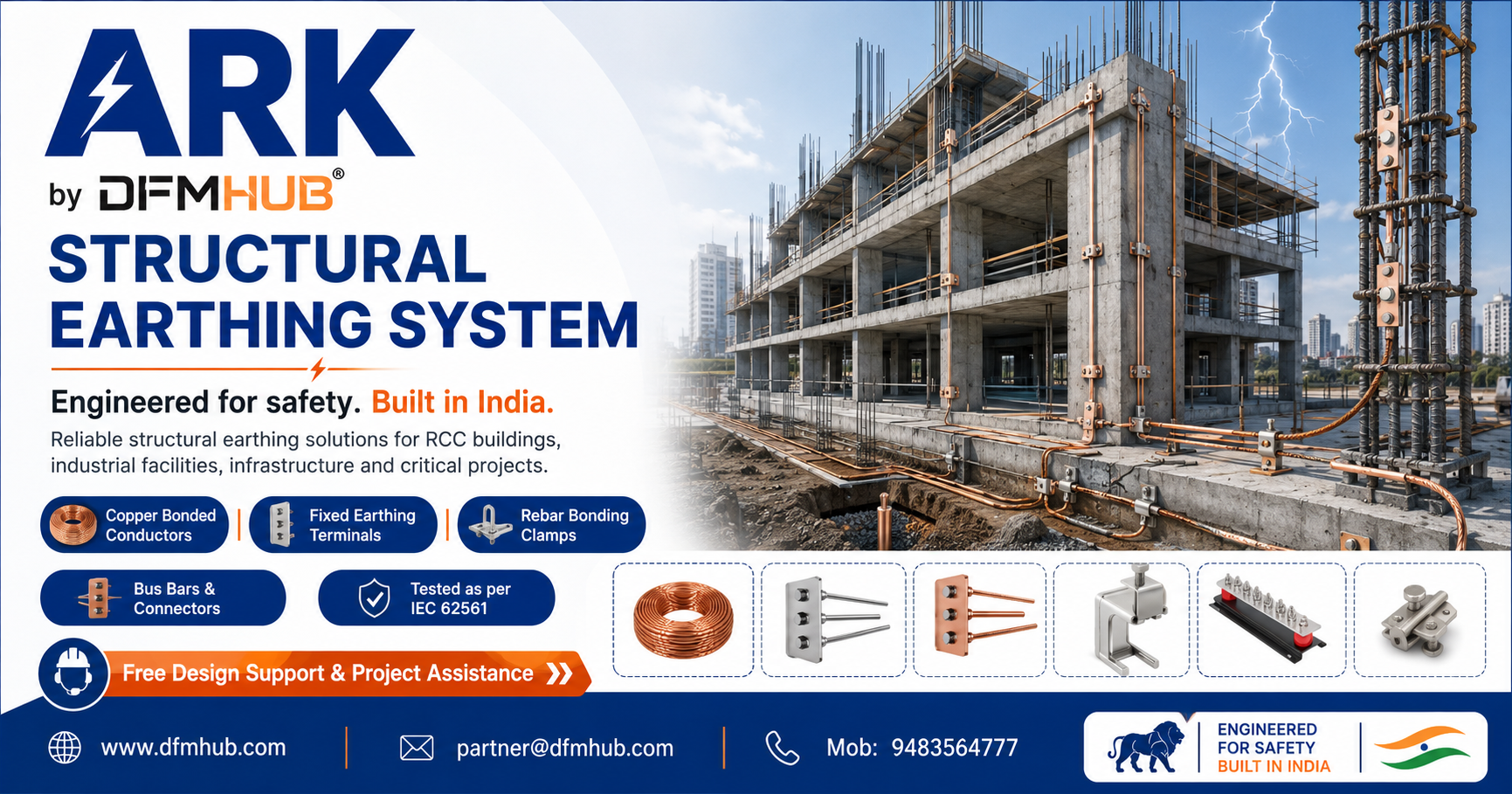
DFHM HUB ARK Structual Earthing
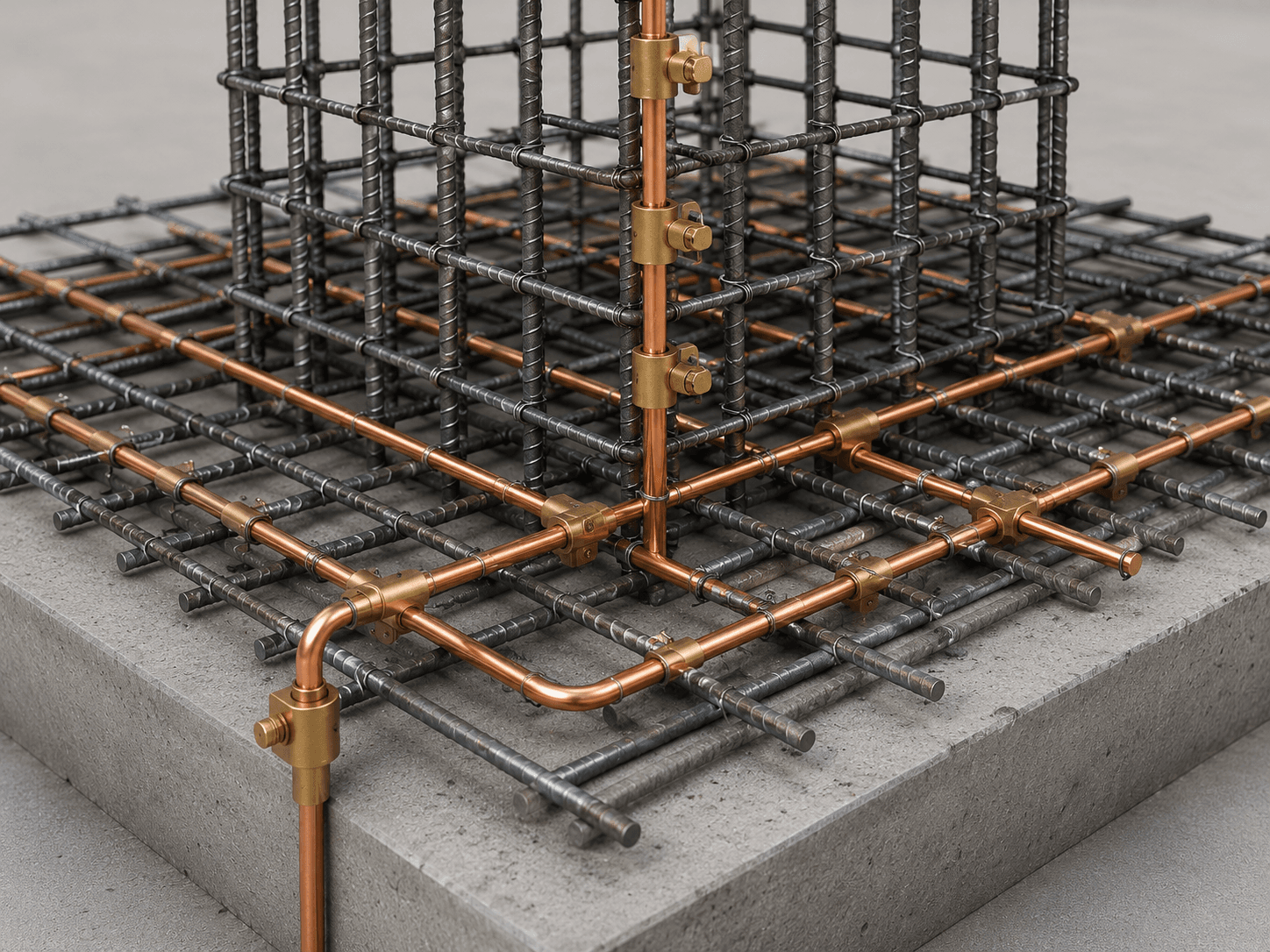
100% Compliant with IEEE 81 & IS 3043 Grounding Standards
Structural Earthing
What is Structural Earthing?
Structural earthing is an important part of modern electrical safety, building infrastructure and lightning protection. It involves the planned integration of earthing and bonding arrangements with a building or structure to provide a controlled path for fault currents, lightning currents and unwanted electrical potential differences.
However, structural earthing is more than simply installing an earth electrode or connecting a conductor to reinforcement steel. A reliable system requires consideration of the building structure, foundation, reinforcement, soil conditions, electrical installation, lightning protection system, bonding requirements, applicable standards and installation practices.
StructuralEarthing.com is being developed as a dedicated knowledge platform for understanding these engineering principles in a practical and technically responsible manner.
Engineering Lifecycle
From Foundation to Finished Structure
We bring together information covering the complete structural earthing lifecycle:
Our goal is to provide clear, technically grounded information that helps you understand earthing systems and make better engineering decisions.
Knowledge Hub
View All BlogsLatest Articles
Installation & Safety
Sep 3, 2026
•2 min read
What Is Structural Earthing?
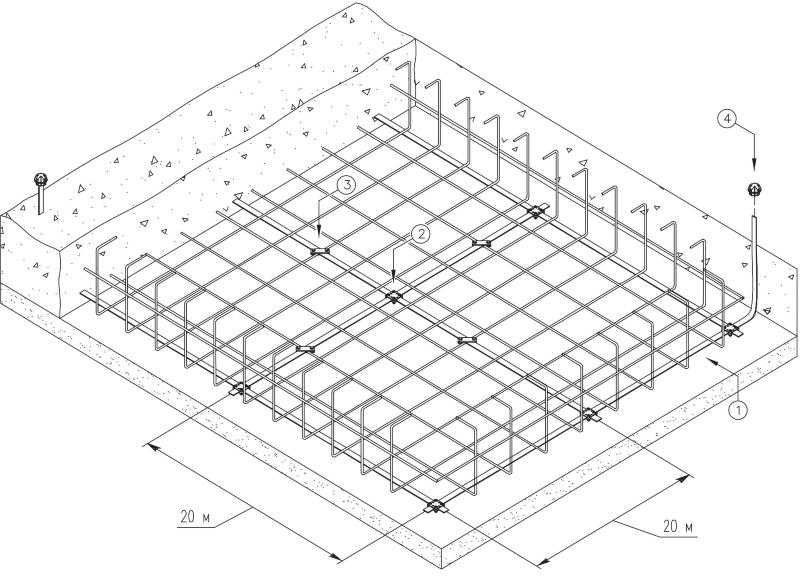
Structural earthing is an earthing method in which the building’s structural elements, such as reinforced concrete foundations and steel reinforcement, are integrated into the building’s grounding system to provide a low-impedance path for fault currents, lightning currents, and unwanted electrical energy to dissipate safely into the earth. Unlike a conventional earthing system that relies mainly on separately installed earth electrodes, structural earthing can make use of the existing foundation and reinforcing steel as part of the earthing and equipotential bonding system, when properly designed and electrically continuous.
Expert Consultation
Talk to a Structural Earthing Expert
Need guidance on foundation earthing, structural bonding, earthing design, or lightning protection? Connect with an experienced electrical engineering professional for practical guidance on your project requirements.
IEEE 81 & IS 3043 Grounding Compliance
Custom Chemical Earthing & Soil Analysis
24-Hour Technical Engineer Response
Direct engineer assistance • Zero obligation enquiry